
Perubahan Gaya
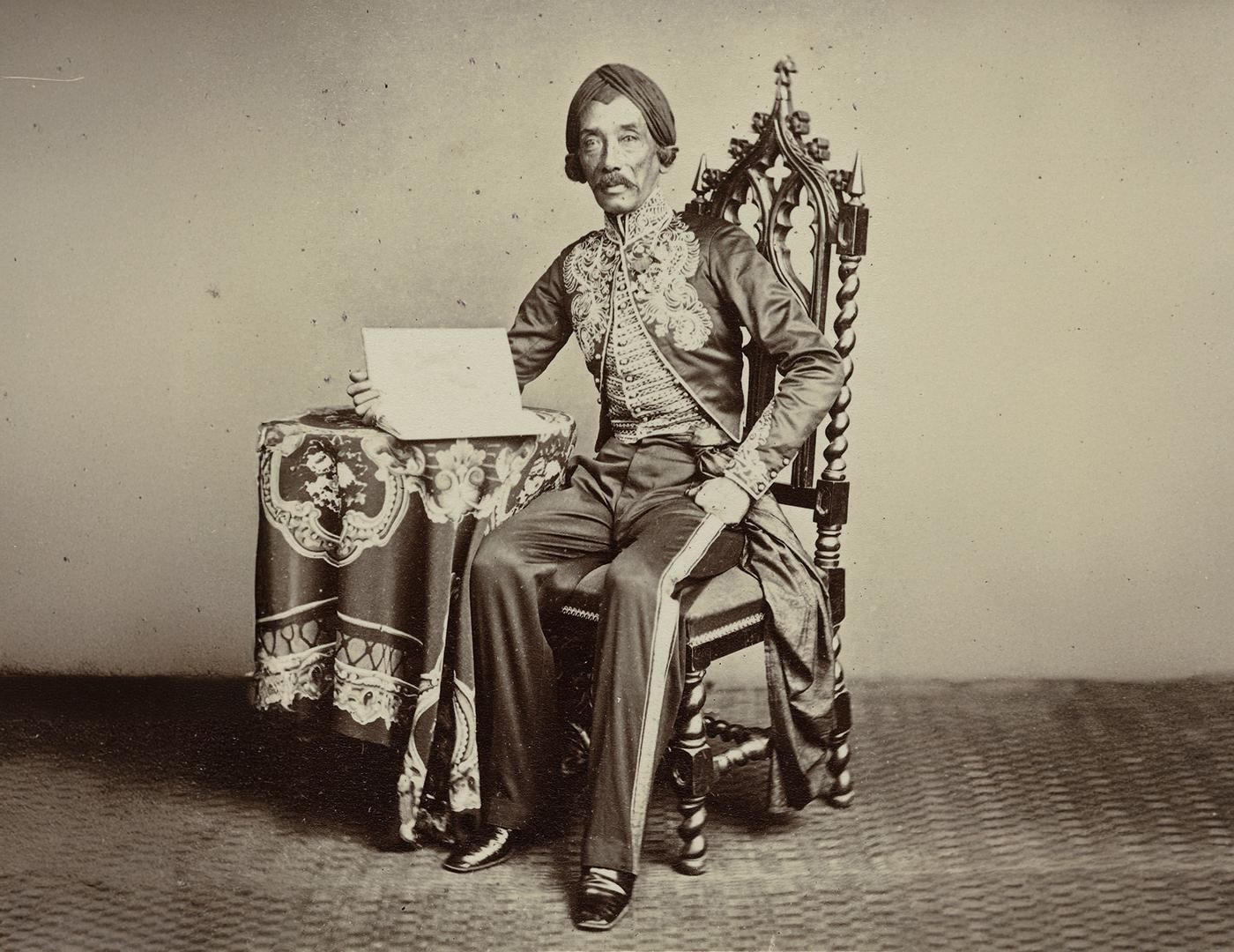
Gaya furnitur di Batavia terus berubah, dengan penduduknya selalu mengikuti mode terbaru dari Eropa dan Asia.
Furnitur tertua dalam koleksi ini berasal dari abad ke-17 dan dibuat dari kayu eboni hitam yang langka. Dibuat di Pesisir Koromandel (sekarang India) atau di Batavia oleh perajin furnitur yang diperbudak, benda-benda ini menampilkan motif bunga yang rumit.
Pada abad ke-18, tren Eropa dari istana kerajaan Prancis (Louis XIV dan XV) membawa furnitur berornamen dengan warna merah dan emas serta fokus pada kemegahan ke Batavia. Ketika kota yang dikenal sebagai "Ratu dari Timur" mencapai puncaknya di bawah VOC, kaum elite memamerkan kekayaan mereka dengan perabot mewah ini.
Meskipun sering berdesain Eropa, furnitur ini dibuat oleh perajin Asia yang menciptakan gaya baru yang khas. Pengukir kayu yang terampil menambahkan pola yang diwariskan dari kerajaan-kerajaan di Jawa, sementara perajin berbahasa Hokkien dan Hakka dari Fujian (Tiongkok) bermigrasi ke Batavia dan membawa teknik dekoratif pernis merah mereka.